
 KO
KO


- Samsung Fashion Research Institute identifies “BACKFILLED” as the defining keyword of Korea’s fashion industry in 2025, reflecting a year focused on efficiency, resilience, and strategic reinforcement
- The annual report outlines ten key industry issues, spanning market conditions, consumer behavior, category expansion, globalization, climate readiness, and lifestyle-driven demand shifts
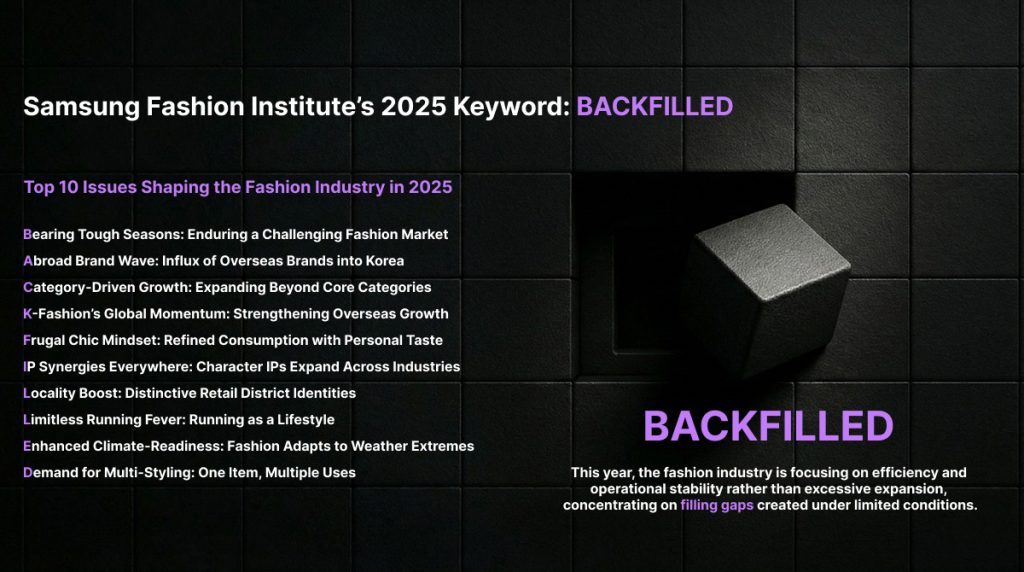
Samsung Fashion Research Institute, a fashion industry research organization operated by Samsung C&T’s Fashion Group, has released its report on the Top 10 Issues Shaping Korea’s Fashion Industry in 2025.
The Institute selected “BACKFILLED” as the keyword defining the year, capturing how the industry responded to economic uncertainty and weakened domestic demand by reinforcing operational efficiency, stabilizing business structures, and filling gaps created by challenging market conditions. The report was announced on December 18.
Each year, Samsung Fashion Research Institute conducts in-depth analysis of domestic and global fashion market data, industry environments, and consumer trends. The annual report highlights key issues influencing Korea’s fashion industry and provides an outlook for the year ahead.
According to Ji-yeon Lim, Head of Samsung Fashion Research Institute, Korea’s fashion industry in 2025 placed greater emphasis on efficiency and stable operations rather than aggressive expansion, reflecting ongoing global uncertainty and a sluggish domestic market. She described the year as one in which the industry focused on “backfilling” operational gaps created by difficult business conditions.
2025 Keyword: BACKFILLED
The keyword BACKFILLED represents ten interconnected industry themes shaping the fashion landscape:
| B | A | C | K | F | I | L | L | E | D |
| Bearing Tough Seasons | Abroad Brand Wave | Category-Driven Growth | K-Fashion’s Global Momentum | Frugal Chic Mindset | IP Synergies Everywhere | Locality Boost | Limitless Running Fever | Enhanced Climate-Readiness | Demand for Multi-Styling |
Top 10 Fashion Industry Issues in 2025
1. Bearing Tough Seasons: Enduring a Challenging Fashion Market
The fashion industry continued to face a difficult environment throughout the year. Economic slowdown, abnormal weather patterns, and rising prices increased consumer price sensitivity, placing discretionary categories such as fashion among the first to experience reduced spending.
Samsung Fashion Research Institute’s second-half consumer survey showed that interest in fashion remained stagnant, ranking behind leisure and travel. According to Statistics Korea, cumulative fashion retail sales through the third quarter failed to surpass the previous year’s levels.
In response, fashion companies shifted toward selective investment, concentrating resources on core brands while downsizing or discontinuing underperforming businesses to improve efficiency. Toward November, however, signs of recovery emerged, supported by Black Friday promotions and increased demand for winter outerwear amid an early cold wave. Consumer sentiment index reached 112.4 in November, the highest level in eight years, while the clothing expenditure outlook index rose from 91 at the start of the year to 100.
Samsung Fashion Research Institute projects market growth of approximately 2.4 percent for both 2025 and 2026, noting that when adjusted for inflation, growth remains modest and performance will vary by category.
2. Abroad Brand Wave: Influx of Overseas Brands into Korea
Korea’s position in the global fashion market has evolved from a passive regional market to an active test bed shaping trends across Asia. As a result, overseas fashion brands are increasingly entering Korea, either through partnerships with major fashion groups or via direct market entry.
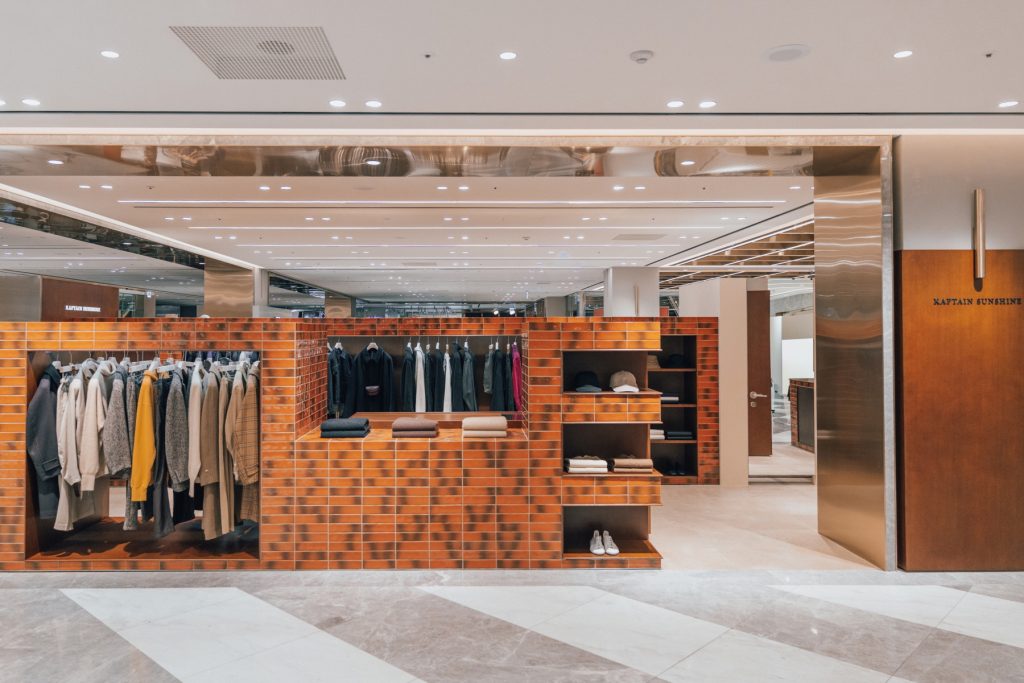
Japanese brands stood out in particular. Collaborations involving Uniqlo and Needles triggered opening-day rushes, while PLEATS PLEASE ISSEY MIYAKE experienced frequent sellouts, leading to a Seongsu pop-up store in July. Tokyo-based contemporary brand KAPTAIN SUNSHINE, previously available only through select retailers, opened its first standalone store at Shinsegae Gangnam in October. Streetwear brands UNDERCOVER and Y-3 also entered the Korean market.
Japanese select shops followed suit, with BEAMS launching a pop-up store and STUDIOUS and Bshop opening permanent locations.
3. Category-Driven Growth: Expanding Beyond Core Categories
As market conditions tightened, fashion brands pursued growth through category diversification to stabilize revenue and broaden customer touchpoints.
Apparel-focused brands expanded into accessories such as bags, footwear, caps, and eyewear. Cross-gender expansion accelerated, with menswear brands launching women’s lines and womenswear brands entering menswear, alongside new brands targeting younger consumers. Contemporary brand Recto expanded into menswear before launching youth-oriented casual brand LIGI, while ADER ERROR’s operator Five Space introduced womenswear brand TAKETOOKTAKEN.
Beauty category expansion also gained momentum. Musinsa Standard launched an ultra-affordable skincare line, while Covernat introduced Covernat Beauty, focusing on lip and fragrance products.
4. K-Fashion’s Global Momentum: Strengthening Overseas Growth
Weak domestic demand and growing global interest in K-fashion pushed Korean fashion companies to accelerate overseas expansion.
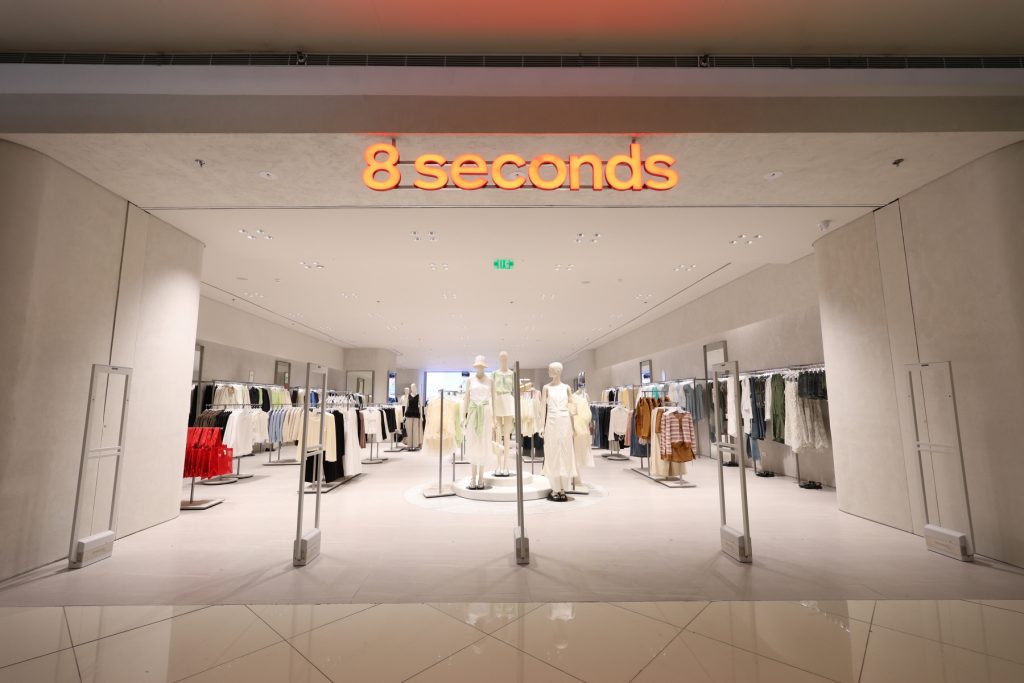
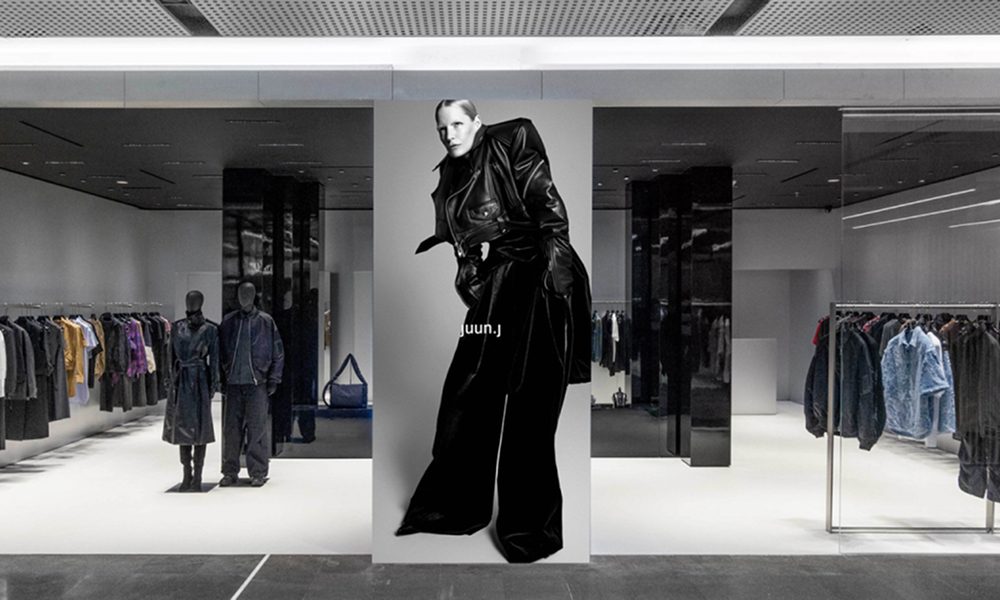
Samsung C&T Fashion Group’s 8Seconds opened its first store in Manila’s SM Mall of Asia in July and expanded to three locations. Juun.J increased brand visibility through a standalone store in Shanghai, while System by Handsome extended its reach into Southeast Asia with its first fashion show in Thailand.
Emerging casual brands expanded aggressively. Matin Kim entered U.S. Amazon and Eastern European select shops, while Mardi Mercredi expanded on Amazon and shifted its Greater China business to direct operations. AMOMENTO opened a Tokyo flagship store and established a Chinese subsidiary.
Department store platforms supporting K-fashion globalization also expanded, with Shinsegae’s Hyperground opening pop-ups in Japan and Singapore, and Hyundai Department Store’s The Hyundai Global launching its first permanent Tokyo store in September.
5. Frugal Chic Mindset: Refined Consumption with Personal Taste
High inflation further refined last year’s frugality-driven consumption patterns. Consumers increasingly balanced restraint with personal style, emphasizing practicality, aesthetics, and rational purchasing decisions.
When purchasing basics such as T-shirts and innerwear, accessibility and pricing transparency became critical. This behavior aligns with “price decoding,” where consumers analyze cost structures, margins, and brand value before purchasing. This trend explains the popularity of ultra-low-priced apparel at Daiso and the expansion of fashion brands into GS25 convenience stores.
Interest in vintage fashion also grew, shifting perceptions from secondhand bargains to curated personal discovery. In response, several fashion companies and department stores introduced resale services.
6. IP Synergies Everywhere: Character IPs Expand Across Industries
Character intellectual property remained a dominant force, with large-scale IPs expanding globally and simultaneously across markets. Established IPs such as Kakao Friends, Sanrio, and Miffy continued to perform strongly, while new IPs including Labubu, Monchhichi, and Netflix’s K-Pop Demon Hunters emerged as major trends.
Character IP consumption extended beyond merchandise into fashion, retail, content, and entertainment. Labubu gained global traction following celebrity exposure on social media, leading to shortages and collaborations across industries, with expansion into film and animation underway. K-Pop Demon Hunters collaborated with brands including 8Seconds, GS25, and Nongshim, and even introduced a themed zone at Everland.
7. Locality Boost: Distinctive Retail District Identities
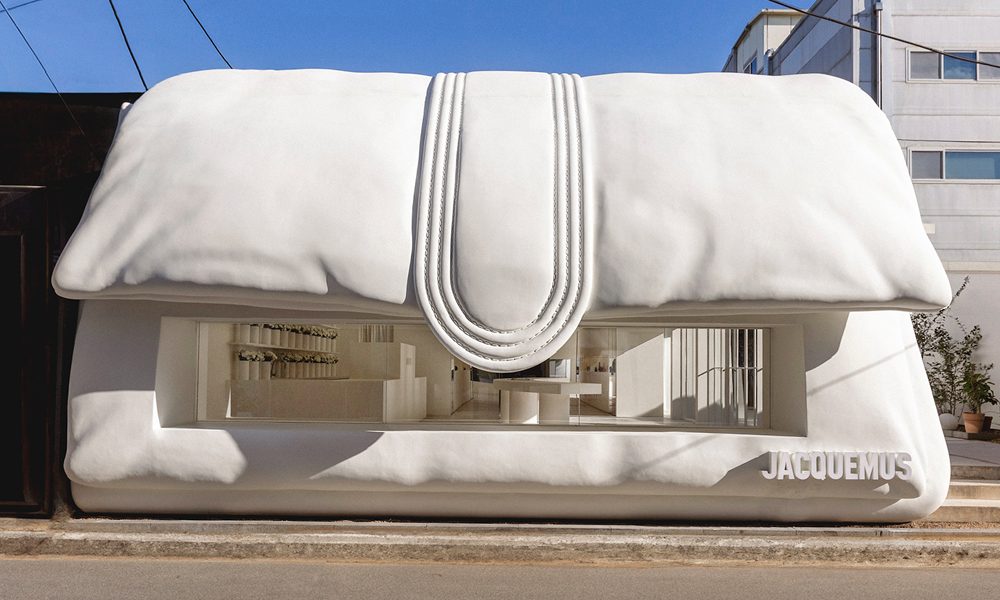
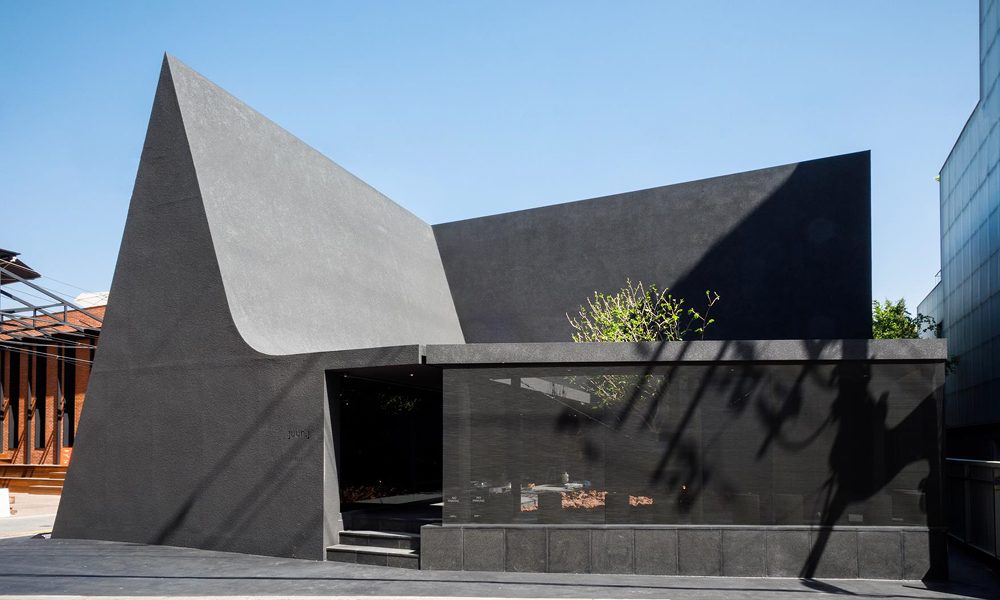
Major street retail districts are developing increasingly distinct local identities, with consumers forming clearer expectations of the experiences offered by each area. As a result, the types of brands concentrated in each district are becoming more defined, making it increasingly important for brands to select retail locations aligned with their individual characteristics when planning store expansion.
Seongsu has evolved from a “pop-up destination” into a hub for K-fashion and K-beauty. The recent opening of large-scale signature spaces by K-eyewear brands such as Gentle Monster, HAUS NOWHERE SEOUL and Blue Elephant Space Seongsu has further strengthened the area’s experience-driven consumer culture.
Hannam, centered around the so-called “Comme des Garçons Street,” has established itself as a sensibility-driven fashion district, with a growing concentration of emerging womenswear brands such as MangoManyPlease and OHESHIO, alongside flagship stores from global brands including Alo.
Hongdae has become a key district for online-native emerging brands making their offline debut, with frequent store openings by youth-oriented brands such as aeae and COYSEIO. Meanwhile, the area around Dosan Park has risen as a streetwear destination, with stores from Stüssy and HUMAN MADE opening in succession this year.
As inbound tourism increases, areas known for their traditional appeal are emerging as new K-fashion districts. In Bukchon and Samcheong, brands such as THEILMA and MONOHA have opened stores. Gwangjang Market, with new entrants including Matin Kim and MARITHÉ FRANÇOIS GIRBAUD, has moved beyond its traditional market image, expanding into a new fashion district that brings together tradition and modernity.
8. Limitless Running Fever: Running as a Lifestyle
Running has evolved into a mainstream lifestyle. Retailers responded by expanding running-related offerings, with department stores repositioning running brands and content.
lobal brand On Running entered Korea directly, while sports, athleisure, outdoor, and fashion brands expanded running product lines. Select shops strengthened the category as well, with 10 Corso Como Seoul introducing Alex Zono and Satisfy, and Beaker adding UNA to its assortment.
9. Enhanced Climate-Readiness: Fashion Adapts to Weather Extremes
Climate change became a constant rather than a variable. Demand for lightweight, cooling, and weather-adaptive apparel increased, elevating summer into a key season.
Cooling materials expanded from sportswear into everyday fashion, while items such as parasols, rain boots, and sunglasses became daily essentials. Eyewear brands Gentle Monster and Blue Elephant experienced rapid growth, while Samsung C&T Fashion Group’s Beanpole Accessories expanded its AnyWeather line to include ponchos and bags.
Demand for lightweight padding increased as consumers favored versatility over traditional fall outerwear. According to SSF Shop, searches for “lightweight padding” rose 46 percent year-on-year between November 1 and December 9.
10. Demand for Multi-Styling: One Item, Multiple Uses
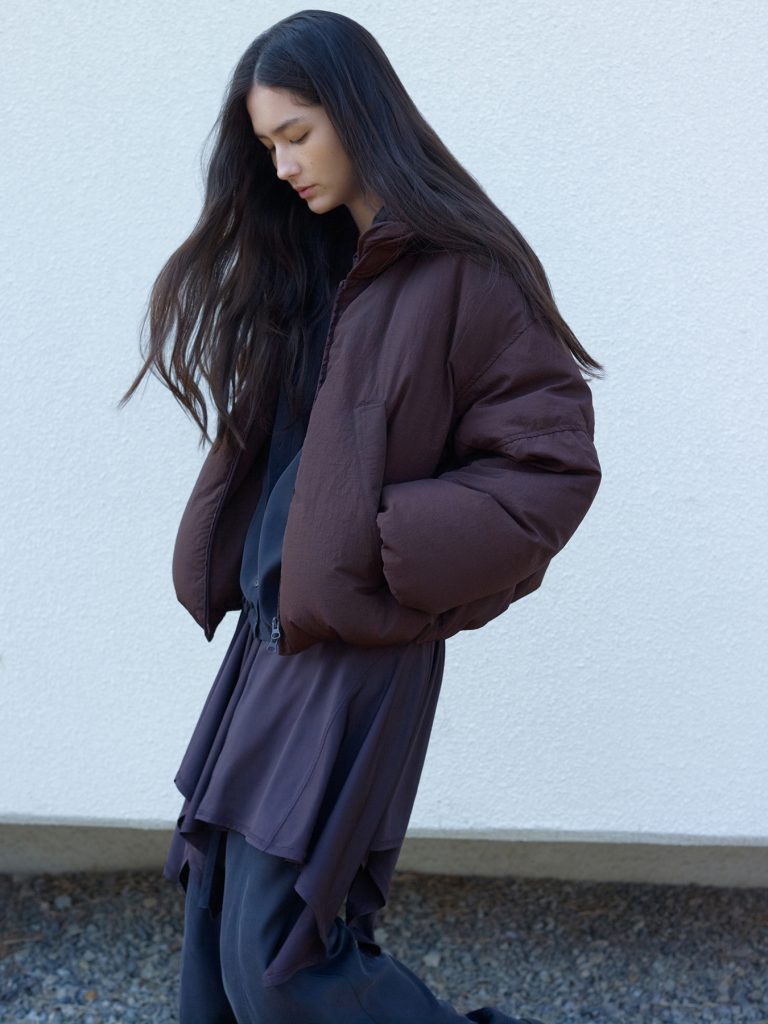
Consumers seeking both individuality and practicality gravitated toward multi-styling items. Reversible designs, layering, and subtle styling variations aligned with ongoing minimalist trends such as quiet luxury and demure aesthetics.
Samsung C&T Fashion Group’s anggae, known for layered designs offering multiple moods from a single item, gained attention, while Shinsegae International launched JAAH, a brand centered on mix-fit styling adaptable to different occasions.
Brown emerged as a key color, valued for its versatility across office and casual wear, ease of tone-on-tone styling, and compatibility with accent colors.