
 KO
KO


- Samsung C&T Trading & Investment (T&I) Group’s Electronic Component & Materials Group has strengthened its hook-up materials business by expanding operations across multiple regions
- By focusing on execution, portfolio balance, and structural improvements, the Group has enhanced operational stability and prepared for long-term growth
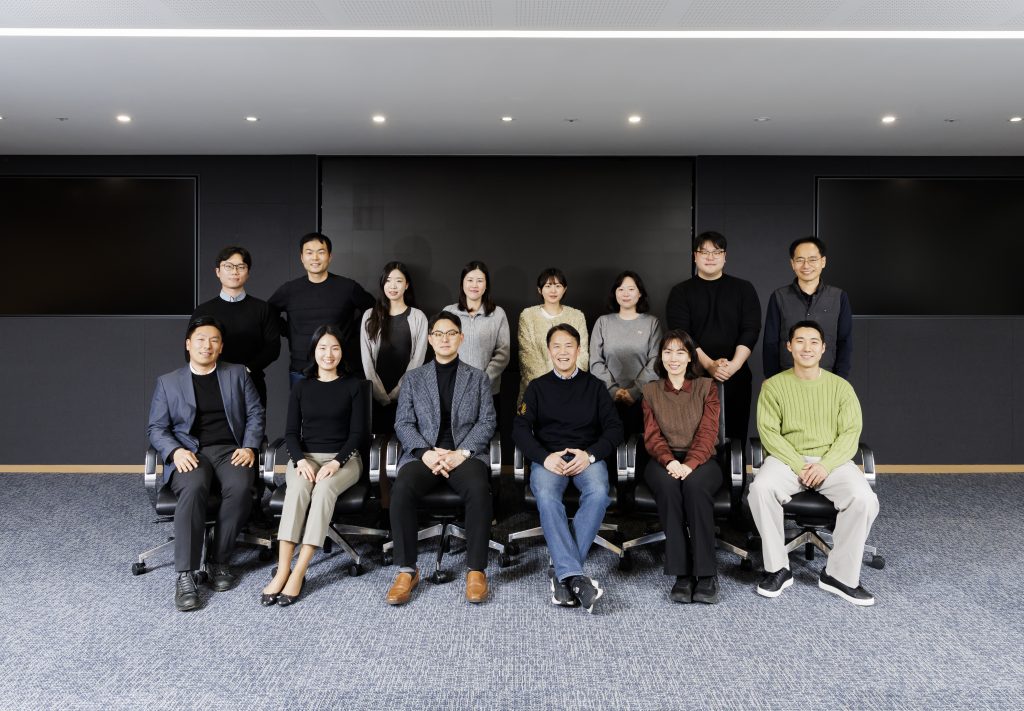
Operating a semiconductor fabrication plant requires the uninterrupted supply of gas, chemicals, and ultra-pure water. Specialized components connecting equipment across facilities play a critical role in supporting construction, maintenance, and ongoing operations.
Within this field, Samsung C&T T&I Group’s Electronic Component & Materials Group has steadily expanded its role across global semiconductor sites.
Redefining Strength: Prioritizing Execution over Expansion
Until several years ago, global component business was heavily concentrated in China. When investment activity in that market slowed, the resulting impact underscored the limitations of a geographically concentrated portfolio.
At that point, the Group made a deliberate choice. Rather than pursuing new or unfamiliar business areas in response to the downturn, it reassessed its existing capabilities. The decision was grounded in the view that sustainable growth would come not from expanding into entirely new fields, but from deepening businesses the Group understood operationally and could deliver with consistency.
With more than a decade of experience in component materials, the focus shifted toward strengthening areas. This reassessment became the starting point for restructuring the Group’s business portfolio and reducing exposure to single-market risk.
Building a Resilient Global Hook-up Portfolio
Establishing a Strategic Hub in the U.S.
Following a major client’s announcement of a new semiconductor fabrication facility, the Group conducted an in-depth review of the local sourcing environment in the U.S. The review identified structural challenges in the local sourcing environment. Based on these findings, the Group proposed a new supply model.
The approach was informed by experience accumulated through other business. As Kyu Wan Kim explained, “the credibility we built in other business over more than ten years as a partner led the client to request the same level of support for this project.”
This approach leads to the successful award of the component contract and established a new operational base for the Group outside China.
Connectivity Over Competition
Building on experience gained in other region, the Group expanded into another region, which presented a different set of challenges. With suppliers and clients already established, competition was largely price-driven. Despite these limitations, the Group expanded its presence in the market through their experience.
Dong Hyun Kim explained that the market is highly competitive. So, the Group demonstrated the value of its network across the world. He noted that offering suppliers a pathway beyond the world made the Group’s proposal more compelling than those of competitors.
With operations spanning multiple regions, the Group established a portfolio structure designed to mitigate regional variability. This diversification of its business base across multiple regions translated into tangible results, reinforcing the value of a portfolio built on execution rather than expansion for its own sake.

Maximizing Efficiency through Structural Optimization
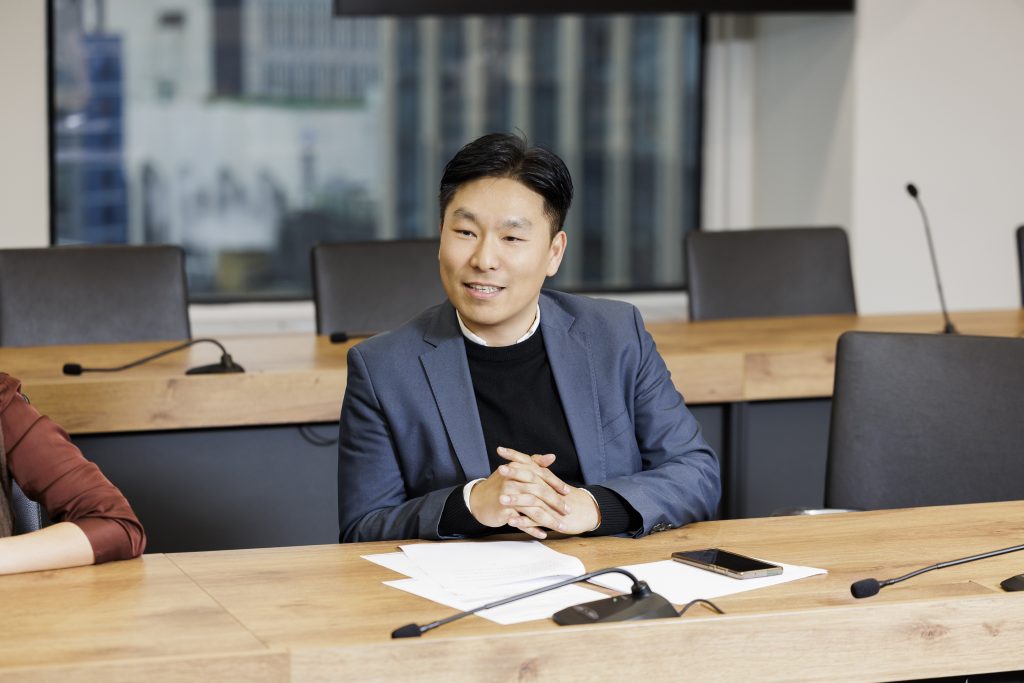
Since 2011, the Electronic Component & Materials Group has been a trusted partner in facility repair operations. As the partnership evolved, the Group proactively analyzed the client’s workflows to identify opportunities for structural optimization.
Hyunjoo Ahn explained, “An established relationship does not automatically secure long-term business.” Rather than competing on pricing alone, the Group provided comprehensive solutions for complex operational challenges that had been a recurring burden for the client. This integrated approach optimized the client’s management process and created a more stable operating framework for both parties.
As operations expanded, the Group faced increased complexity in managing delivery timelines and quality standards across multiple regions. As activity intensified, rising order volumes and demanding schedules necessitated closer coordination between partners and operational teams.
Under these conditions, the Group prioritized managing delivery timelines and quality requirements in parallel. To bolster these structural improvements, the Group has continuously integrated advanced technology into its services. As Jeongseok Kim explained, by conducting meticulous specification reviews and applying rigorous internal benchmarks, the Group has been able to consistently maintain its project milestones while exceeding the required quality standards.

New Frontier: Data Center Infrastructure
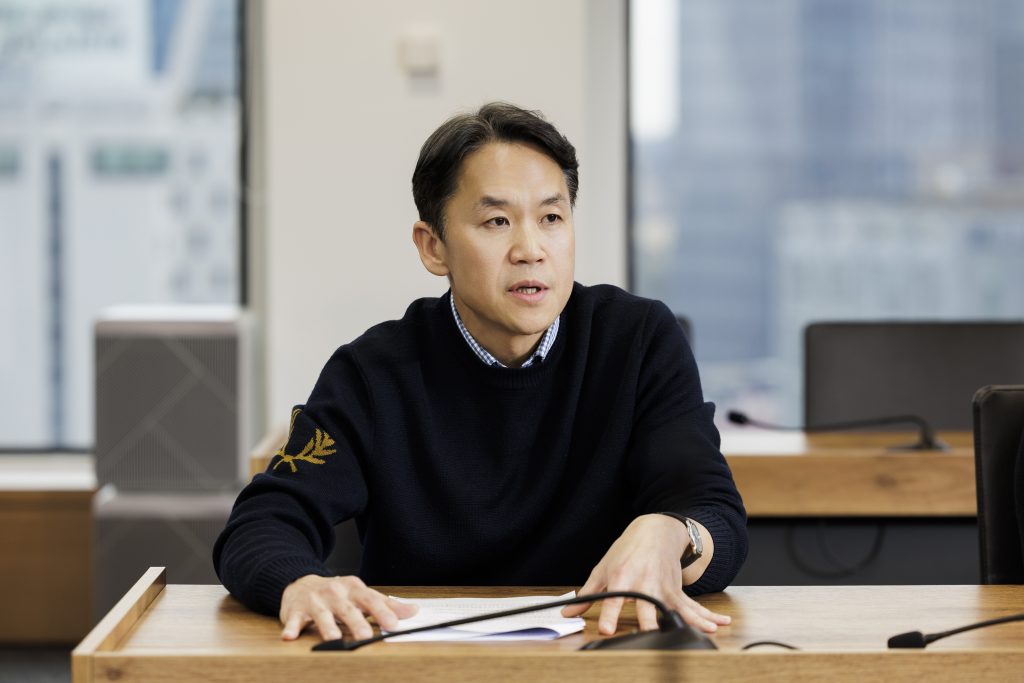
Growth in data center capacity, driven by increased computing demand, has led to higher power consumption and greater requirements for heat management. As conventional air-cooling systems face practical limits, the need for precise and reliable infrastructure within data center facilities increased. Based on this technical overlap, the Electronic Component & Materials Group has reviewed the applicability to data center infrastructure.
The market remains at an early stage. Sung Kyung Park noted that the Group has been able to assess requirements and market response. At this stage, the Group is monitoring developments in data center infrastructure while focusing on evaluating opportunities.
Quality in Detail: Driving Performance
Over the past four years, Sangjin Lee, Head of the Electronic Component & Materials Group, has consistently emphasized disciplined execution across all aspects of the Group’s work. This approach is based on the view that market response and customer trust are shaped by the quality of daily decisions, including how work is reviewed, communicated, and carried out at each stage.
Rather than a passive mindset, this emphasis reflects a process of continuous reassessment, where even routine tasks are examined to ensure they are handled in the most effective way. Decisions built on this level of attention and follow-through have underpinned the Group’s recent performance, and the same approach continues to guide preparation for its next phase.

A Legacy of Excellence
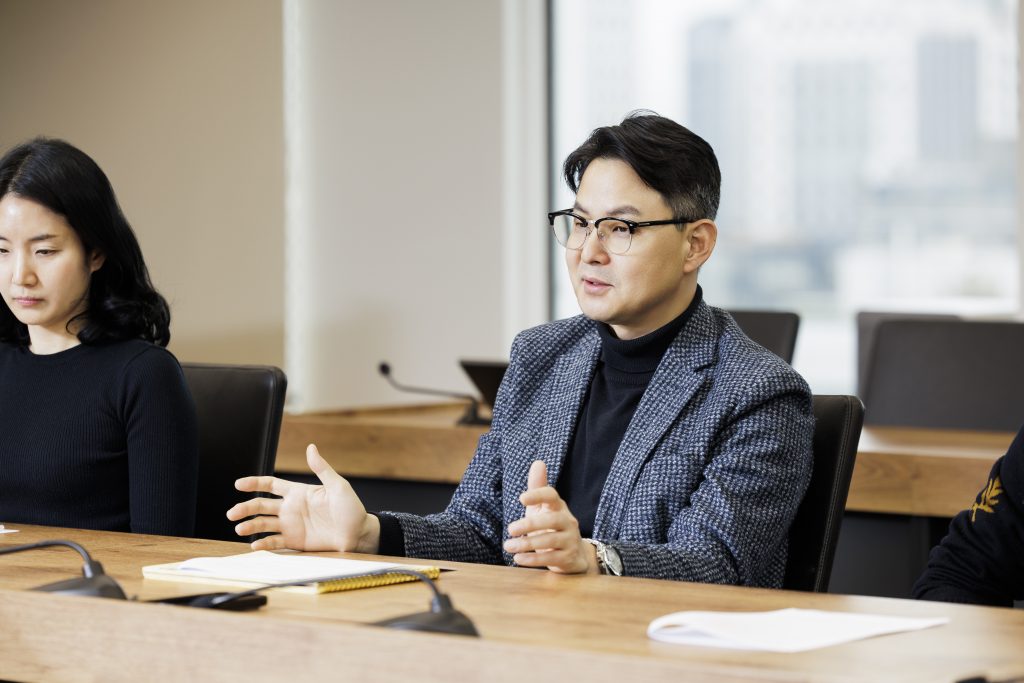
Teamwork within the Electronic Component & Materials Group is defined by shared responsibility across roles rather than individual scope. Coordination beyond assigned tasks, responsiveness to issues across workstreams, and consistent communication have supported stable execution in a service-oriented business where trust and continuity are essential. This operating approach has enabled the Group to manage complexity across regions while maintaining long-term client relationships.
That discipline has become increasingly evident since 2022, when the Group reassessed the structural limits of its one region-centered business and refocused on areas where it could execute most reliably. By redesigning its portfolio to the multiple regions, the Group was able to respond to operational variables such as processing transfers while maintaining customer trust. Based on the whole efforts, they delivered measurable results, leading to multiple recognitions as an Outstanding Performance Department at the Management Strategy Meetings.