
 KO
KO


- Completed by Samsung C&T in 2004, Leeum Museum of Art brings together three architect-designed spaces by Mario Botta, Jean Nouvel, and Rem Koolhaas in one cultural complex
- Through spaces dedicated to traditional Korean art, modern and contemporary works, and future-oriented cultural education, Leeum shows how architecture can shape the way visitors experience art across different periods
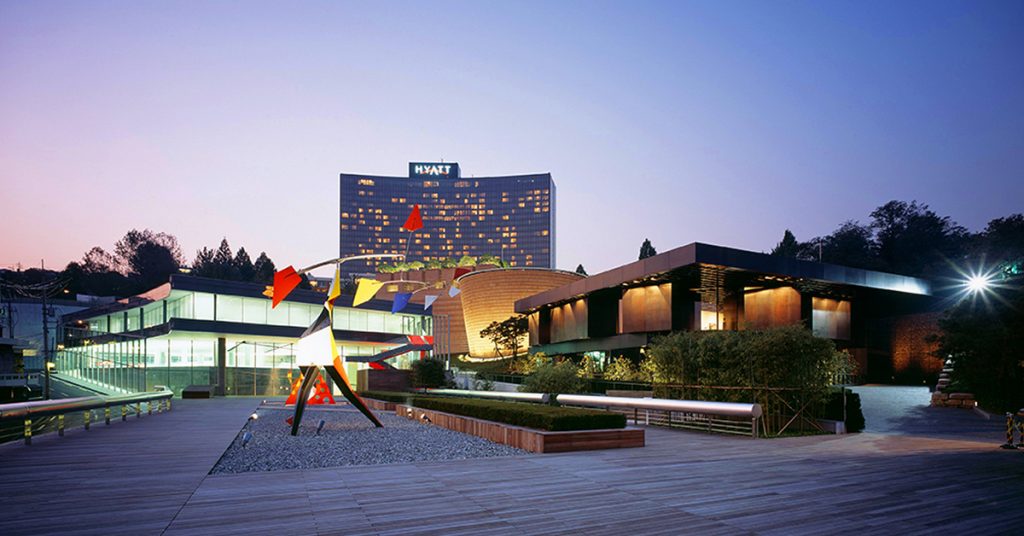
A museum is often remembered not only for the works it displays, but also for the way people move through its spaces. The sequence of rooms, the use of light and materials, and the relationship between each building can shape how visitors experience the art inside. In this sense, architecture becomes more than a setting. It becomes part of the cultural journey.
Leeum Museum of Art in Seoul reflects this idea through a complex composed of three distinct but connected spaces. Completed by Samsung C&T in 2004, the museum brings together the work of Mario Botta, Jean Nouvel, and Rem Koolhaas, each contributing a different architectural approach to a shared cultural vision. Rather than being designed as a single building, Leeum was planned as a place where art from the past, present, and future connect.
Three Architects, One Vision
Leeum Museum of Art is composed of Museum 1, Museum 2, and the Child Education & Culture Center. While each space serves a different purpose, the three buildings are arranged as part of one cultural complex. This structure allows Leeum to present different periods and forms of art while giving each building its own architectural identity.
Museum 1 presents traditional Korean art, Museum 2 focuses on modern and contemporary works, and the Child Education & Culture Center expands the complex into education, creativity, and future-oriented cultural experiences. Rather than creating a uniform museum, Leeum uses contrast to bring together different functions, materials, and spatial experiences.
Museum 1: Mario Botta’s space for traditional Korean art
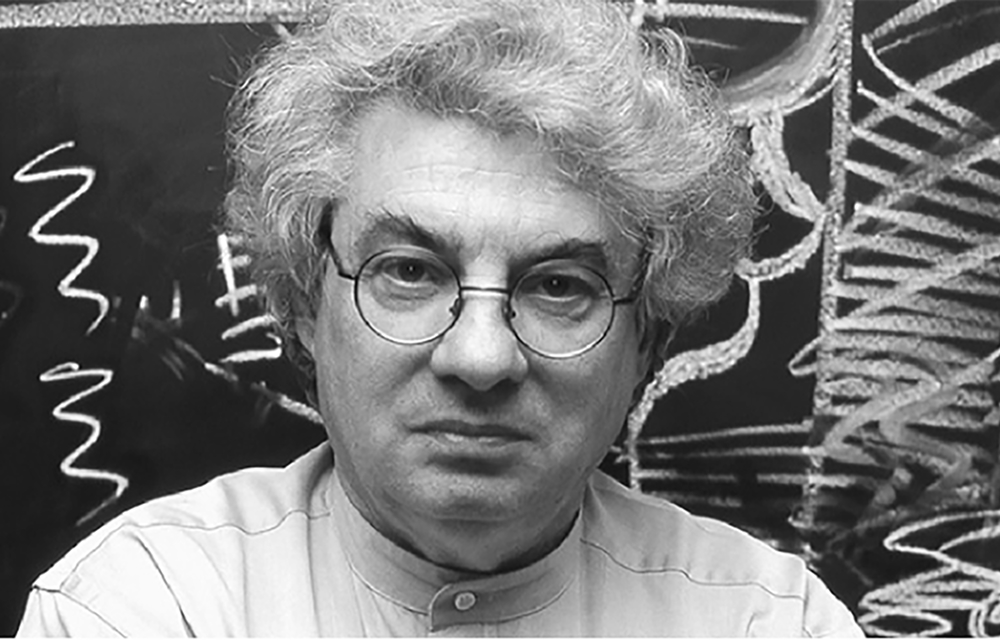
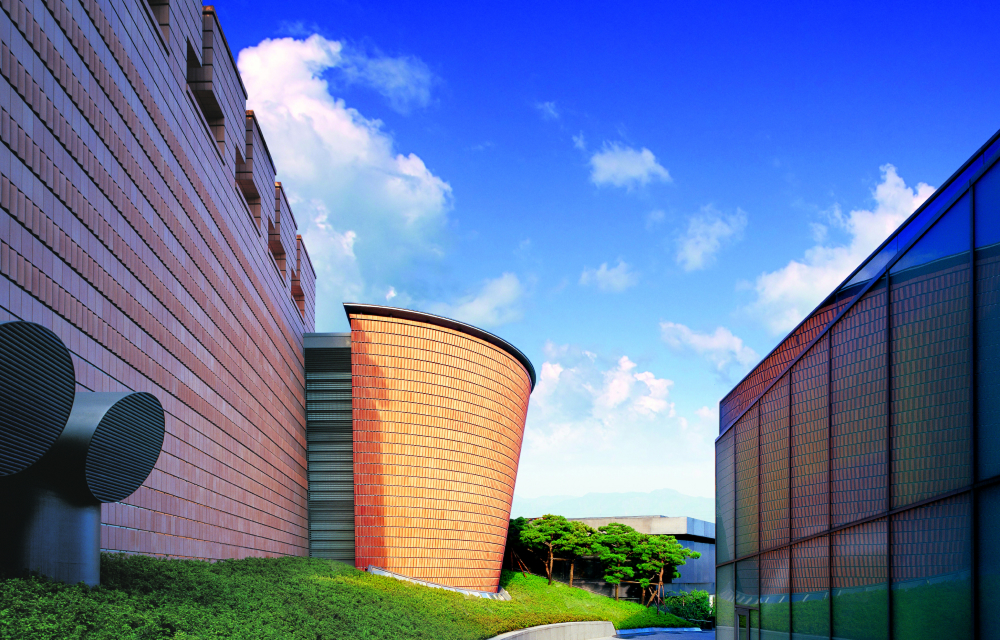
Museum 1 was designed by Swiss architect Mario Botta as the space for traditional Korean art. The building has a total floor area of 9,850 square meters and consists of four floors above ground and three basement levels.
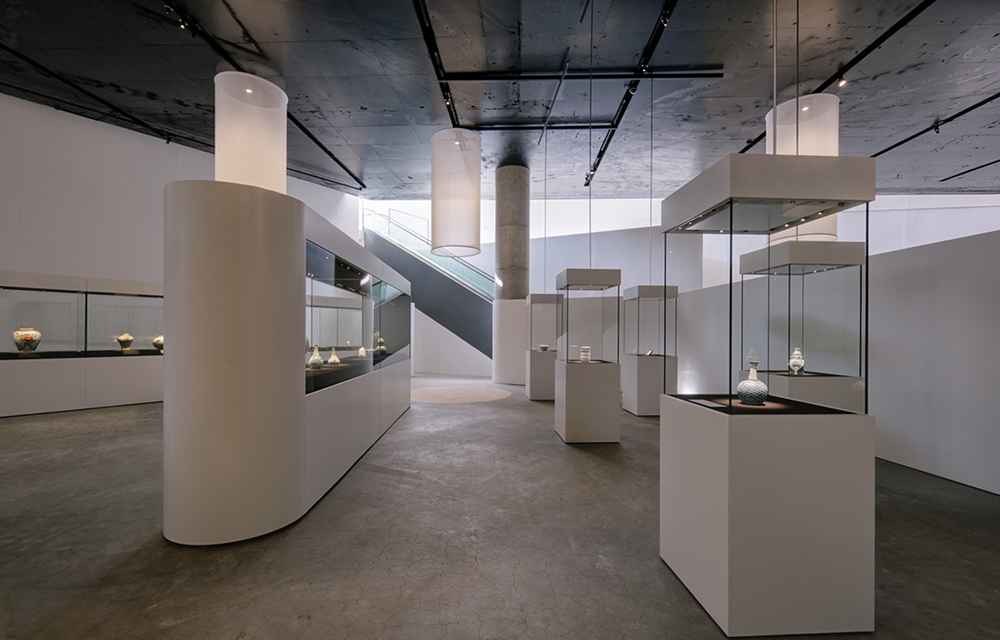
Known for its strong geometric presence and material-focused design, Museum 1 creates a grounded atmosphere for the traditional art collection. Within the Leeum complex, it reflects a connection to the past, giving Korean artworks a space defined by structure, depth, and continuity.
Museum 2: Jean Nouvel’s space for modern and contemporary art
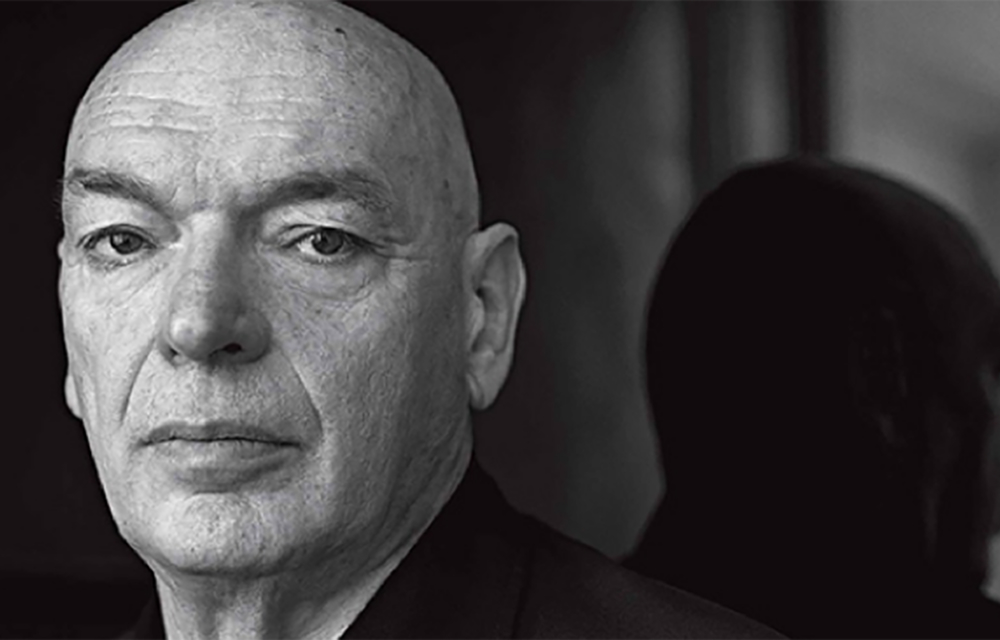
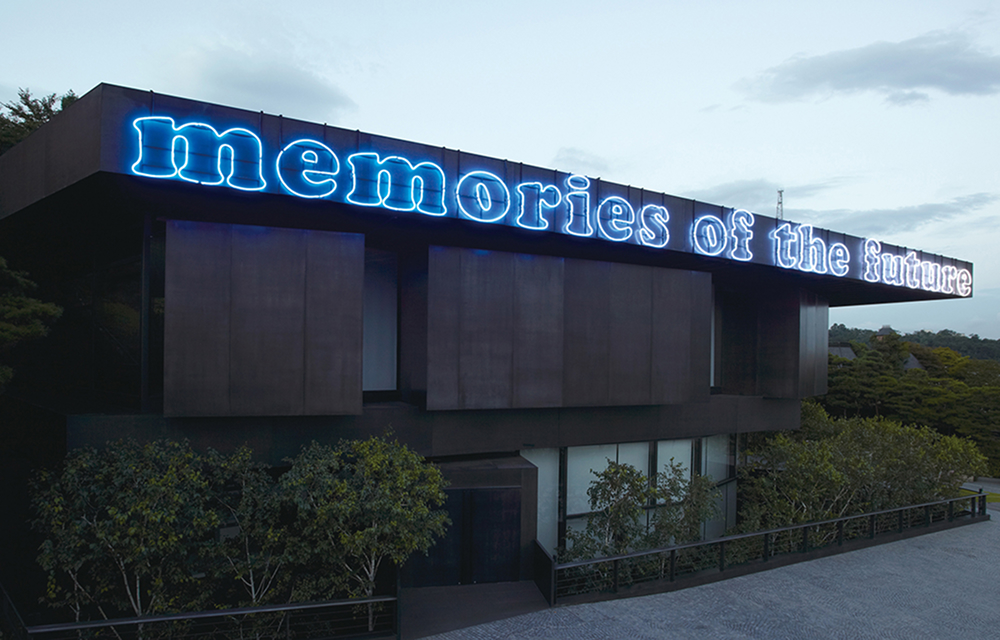
Designed by French architect Jean Nouvel, Museum 2 was made as the space for modern and contemporary art. The building has a total floor area of 5,167 square meters and consists of two floors above ground and three basement levels.
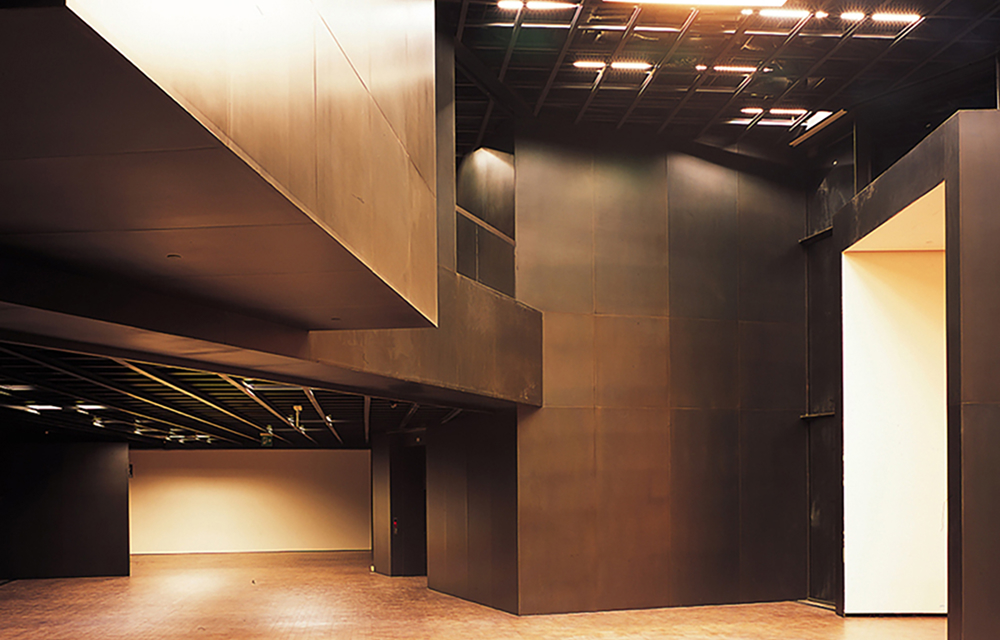
In contrast to Museum 1, Museum 2 introduces a different architectural language. Its use of steel, glass, and light creates a layered relationship between exhibition space and the surrounding environment, supporting its role as a space for modern and contemporary works by Korean and international artists.
Child Education & Culture Center: Rem Koolhaas and future-oriented space
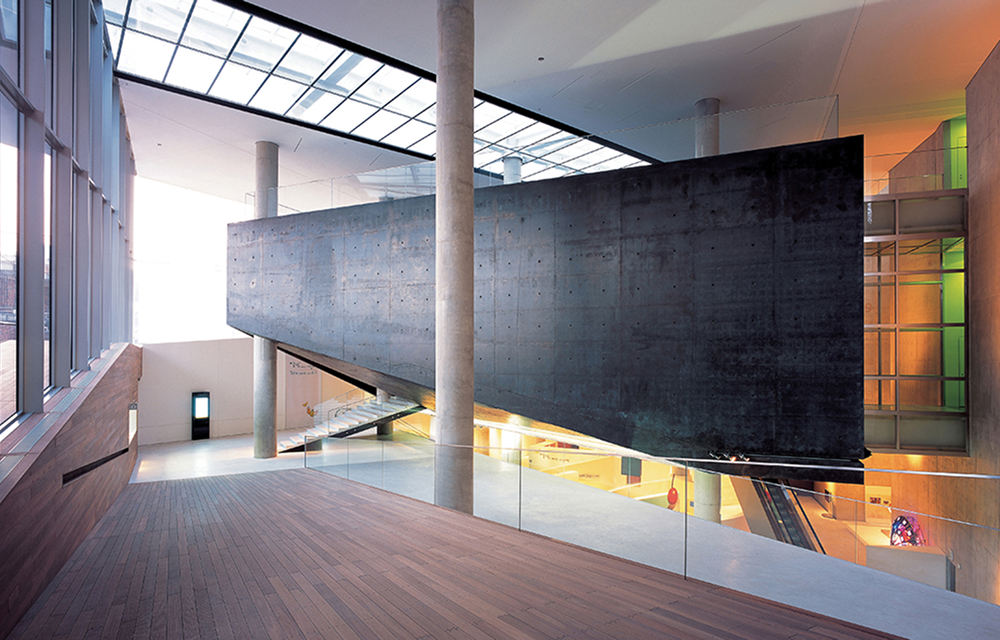
The Child Education & Culture Center was designed by Rem Koolhaas. The center has a total floor area of 13,254 square meters and consists of two floors above ground and three basement levels.
As an educational facility connected to creativity and future generations, the center expands Leeum beyond collection display. It supports the museum’s role as a space for learning, experimentation, and special exhibitions, adding a future-oriented dimension to the complex.
Together, the three buildings show how Leeum’s identity was created through contrast. Each architect designed a space with a different function and atmosphere, while the overall complex works as one connected cultural environment.
Experiencing Time Through Space
At Leeum, the connection between past, present, and future is not only expressed through the collections. It is also experienced through the way visitors move across the museum. Each transition introduces a different sense of scale, material, and atmosphere, allowing the architecture to guide the rhythm of the visit.
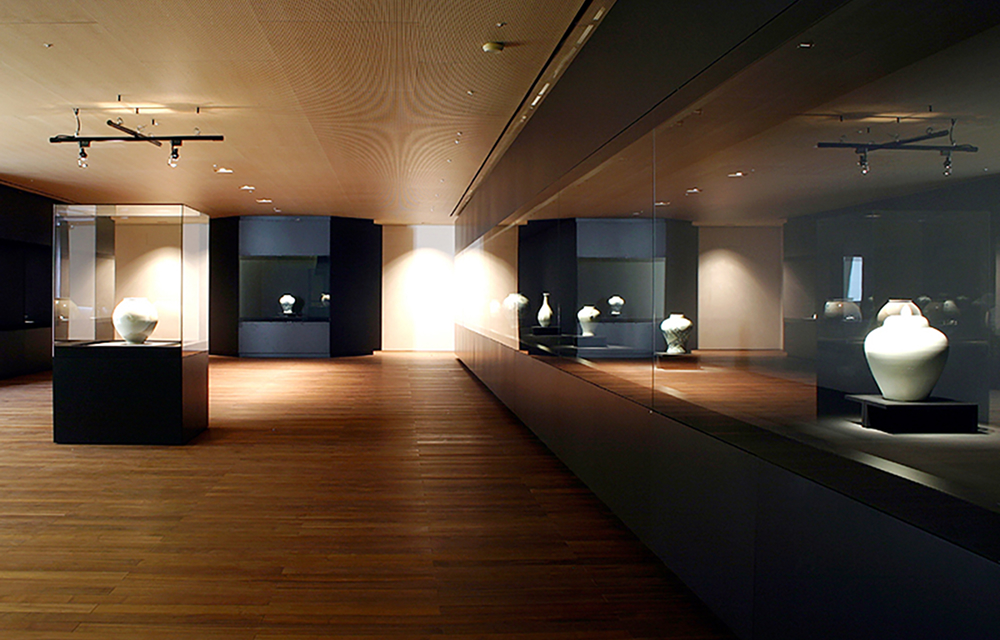
The journey begins with a sense of depth and stillness. In Museum 1, the solid structure and geometric forms encourage close attention to traditional Korean art. Rather than competing with the works on display, the architecture gives them a grounded setting, reinforcing the historical weight and craftsmanship of the collection.
As visitors move into Museum 2, the atmosphere shifts. Steel, glass, and light create a more open and layered space, reflecting the changing nature of modern and contemporary art. The contrast between the two museums allows visitors to feel a movement from preservation and continuity toward experimentation and new forms of expression.
The Child Education & Culture Center extends this journey beyond viewing art. By connecting the museum to education, creativity, and special exhibitions, the space broadens Leeum’s role from display to participation and exploration. This future-oriented function links cultural heritage with new ways of learning and engaging with art.
Through this sequence, Leeum turns architecture into part of the museum narrative. Visitors are not simply moving from one gallery to another. They are moving through different interpretations of time, shaped by the relationship between art, space, and experience.
A Lasting Landmark
More than two decades after its completion, Leeum continues to stand out as one of Seoul’s distinctive cultural spaces. Its identity is closely connected to the way the complex brings together three architectural visions within one project.
The museum’s multi-architect structure gives each space a clear role. Museum 1, Museum 2, and the Child Education & Culture Center are not identical buildings placed side by side. Each one was designed with a different purpose, creating a layered cultural complex where architecture supports the function of each space.
Leeum also demonstrates how cultural facilities require more than exhibition space. The project brings together architecture, circulation, education, public experience, and construction execution within one complex. While each building has its own design language, the spaces needed to function together as part of a single museum environment.
Beyond Leeum
Leeum reflects a broader direction in cultural architecture. Museums are increasingly expected to serve not only as exhibition venues, but also as spaces that contribute to urban identity, cultural visibility, and visitor experience.
This can be seen in Leeum’s structure. The museum brings together art, education, architecture, and public experience within one cultural complex. Rather than relying on a single iconic form, it creates identity through the relationship between three different buildings.
The project also shows how architecture can help communicate the purpose of a museum. At Leeum, the past, present, and future are not explained only through the collections. They are also expressed through the design of the spaces themselves.
As cities continue to invest in museums and cultural facilities, Leeum offers an example of how architecture can support long-term cultural value. By connecting different artistic periods, educational functions, and architectural approaches, Leeum shows how a museum can become more than a place for exhibitions. It can become a landmark shaped by the relationship between art, space, and public experience.
Leeum Museum of Art
60-16, Itaewon-ro 55-gil, Yongsan-gu, Seoul, 04348, Korea
Open Tuesday to Sunday from 10:30am to 6pm